
WiFi 7 brings a new level of connectivity to our homes, delivering high-speed, wired-like performance that supports applications sensitive to network quality. This advanced WiFi technology provides stable, congestion-free network connections, benefiting many areas, with smart homes being one of them.

What is a Smart Home?

A smart home is a living environment with multiple smart devices that enable automation, remote control, and real-time monitoring of various home systems and appliances. For example, you can remotely access your home’s security system from your smartphone to check on elderly family members and children, or you can use a voice assistant at home to request information, set reminders, or play music.

Key Components of Smart Home

A smart home system may consist of multiple smart devices. Below, we list some of the most popular devices.

Smart Speakers and Voice Assistants: These voice-activated devices can control other smart home gadgets, provide information, play music, set reminders, and more. As they become increasingly integrated with other smart home devices, they offer greater convenience and functionality.

Smart Security Systems: These systems, which include smart locks, surveillance cameras, and video doorbells, allow real-time monitoring of home security. Users can view live feeds or receive alerts on their smartphones, ensuring immediate response to security issues.
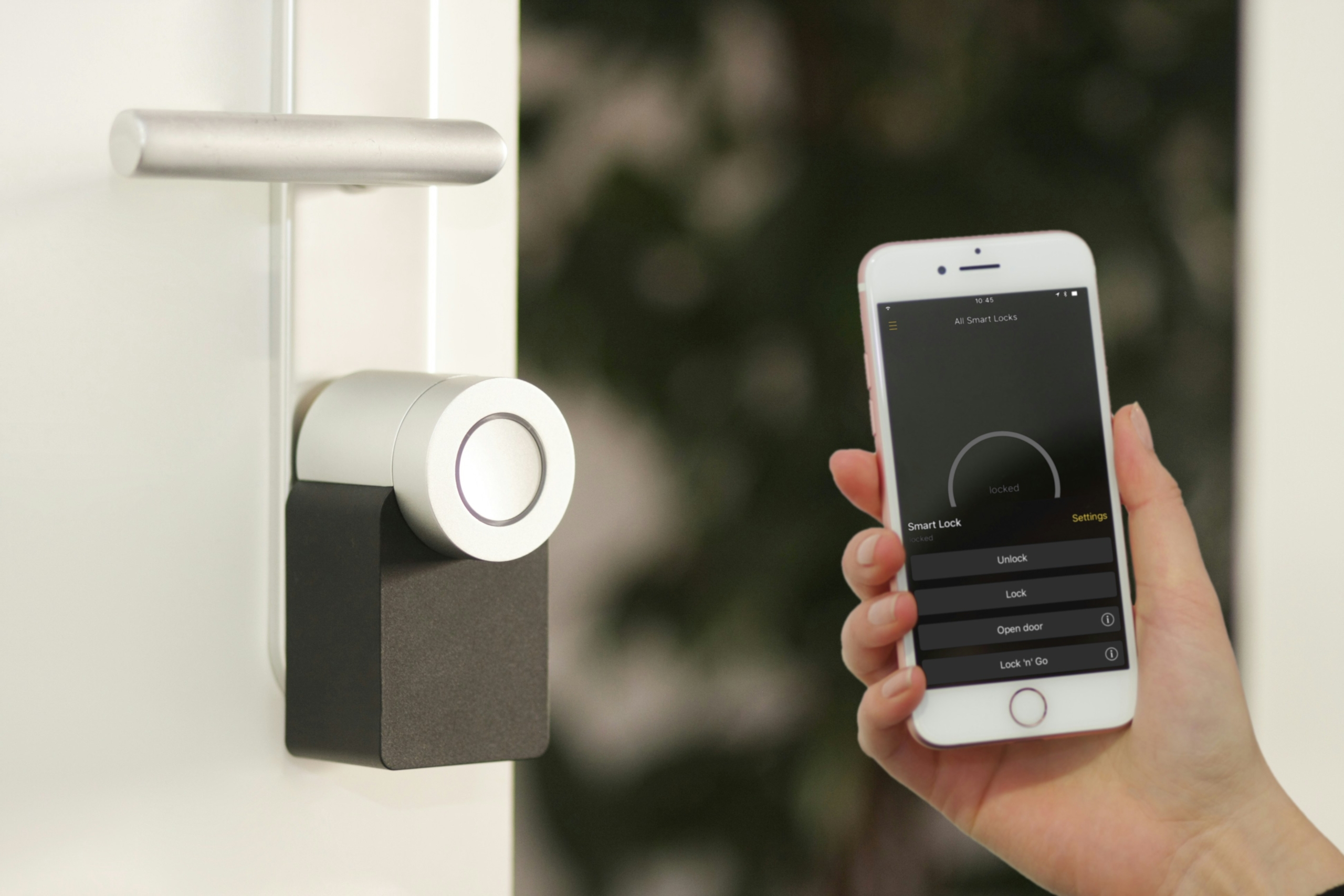
Smart Appliances: From smart refrigerators and washing machines to robotic vacuum cleaners, these appliances can be controlled remotely via smartphone apps. They can even learn user habits to deliver personalized services, enhancing convenience and efficiency in daily life.

Smart Home Integration Platform: As more smart devices enter the home, interoperability becomes crucial. IoT integration platforms allow users to connect and control different brands of smart home devices through a single platform, streamlining automation and management. WiFi 7 offers excellent wireless connectivity, supporting the connection of numerous devices while ensuring smooth, uninterrupted performance, delivering the optimal smart home experience.

Features of WiFi 7

  • Multi-Link Operation (MLO) allows simultaneous use of multiple bands for better performance.
  • 320 MHz channel bandwidth offers double the throughput compared to Wi-Fi 6.
  • 4K-QAM modulation enables higher data transmission efficiency.
  • Enhanced MU-MIMO supports up to 16 spatial streams for improved device connectivity.

How YTTEK Supports WiFi 7

In the realm of WiFi, YTTEK’s SDR platform, PluSDR, offers a solution for wireless algorithm and system development. PluSDR is a SDR-based platform designed for high-performance wireless systems design. It is capable of over-the-air operations from 10 MHz up to 9 GHz and features two independent transmitter and receiver channels, each supporting up to 400 MHz bandwidth.

Key Features of PluSDR (YTPC400)

  • Highly flexible software-defined radio platform
  • Supports a frequency band of 10 MHz to 9 GHz
  • 400 MHz high bandwidth per channel
  • Supports 5G NR, WiFi, and CCSDS (satellite communication) standards

Leveraging advanced FPGA (Field-Programmable Gate Array) technology, PluSDR enables system developers to prototype and validate algorithms for Wi-Fi, including Wi-Fi 6, Wi-Fi 6E, and Wi-Fi 7. This powerful SDR platform accelerates wireless system research and development, sparking more technological innovations that enhance our daily lives.

Learn more about PluSDR SDR Platform >>

WiFi 7 illustration

The latest generation of WiFi communication, IEEE 802.11be Extremely High Throughput (EHT), also known as WiFi 7, ushers in unprecedented speeds, low latency, and high network capacity. It delivers the best WiFi user experience available today and paves the way for advanced applications. This article explores the critical upgrades brought by WiFi 7, how they will transform our lives, and how YTTEK can support the field. 

Wi-Fi 7 vs. Wi-Fi 6E: What’s New and Improved? 

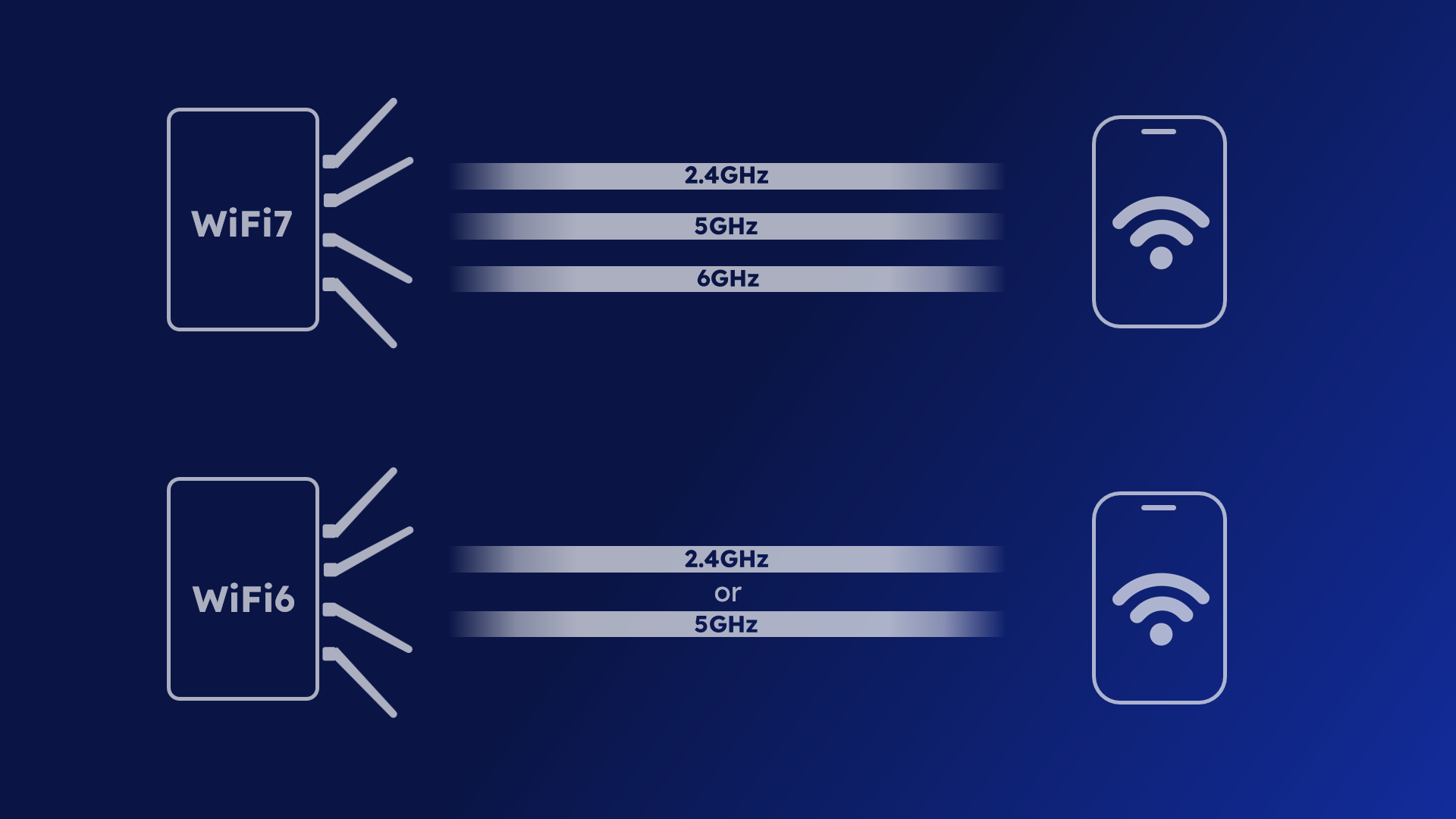
WiFi 7 builds on the foundation laid by its predecessor, Wi-Fi 6E (802.11ax), operating across the 2.4, 5, and 6 GHz bands. However, it introduces several innovative technologies that significantly elevate the user experience, making WiFi networks comparable to wired connections. 

320 MHz Bandwidth: Compared to Wi-Fi 6E, WiFi 7 doubles the bandwidth to a remarkable 320 MHz. This expansion doubles the data transfer capacity and supports simultaneous connections for more devices. 

Multi-Link Operation (MLO): MLO allows a single user device to connect across different frequency bands, enabling simultaneous data transmission and reception across these bands. By aggregating bandwidth across multiple bands, MLO results in faster and more stable WiFi connections and ensures more reliable connectivity. 

WiFi 7 Multi-Link Operation (MLO)

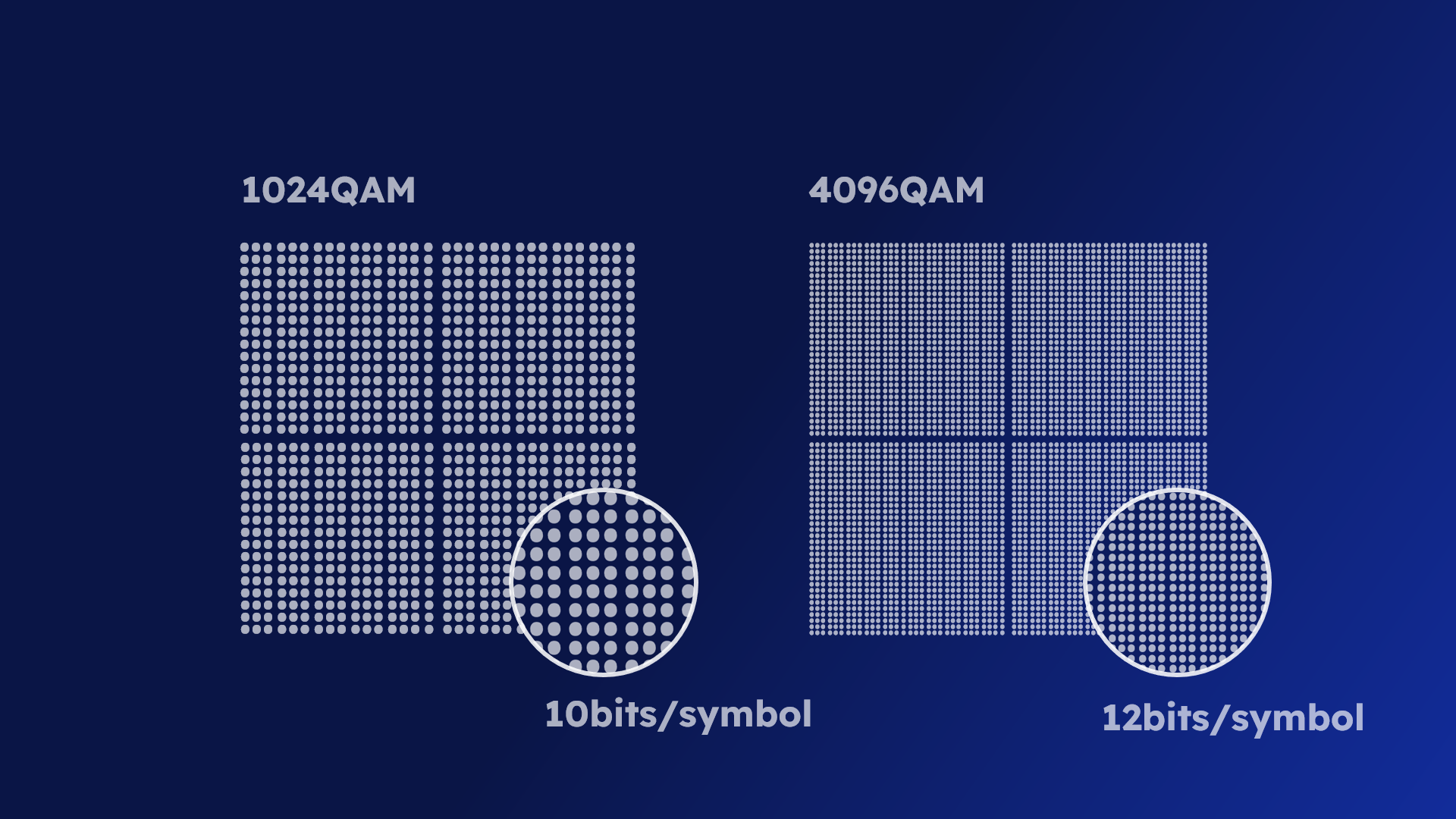
4K-QAM: Wi-Fi 7 utilizes 4K-QAM (4096QAM), an upgrade from the 1K-QAM (1024QAM) used in previous generations. This technology compresses data more densely within signal transmissions, potentially increasing data transfer rates by up to 20%. 

WiFi 7 4K-QAM

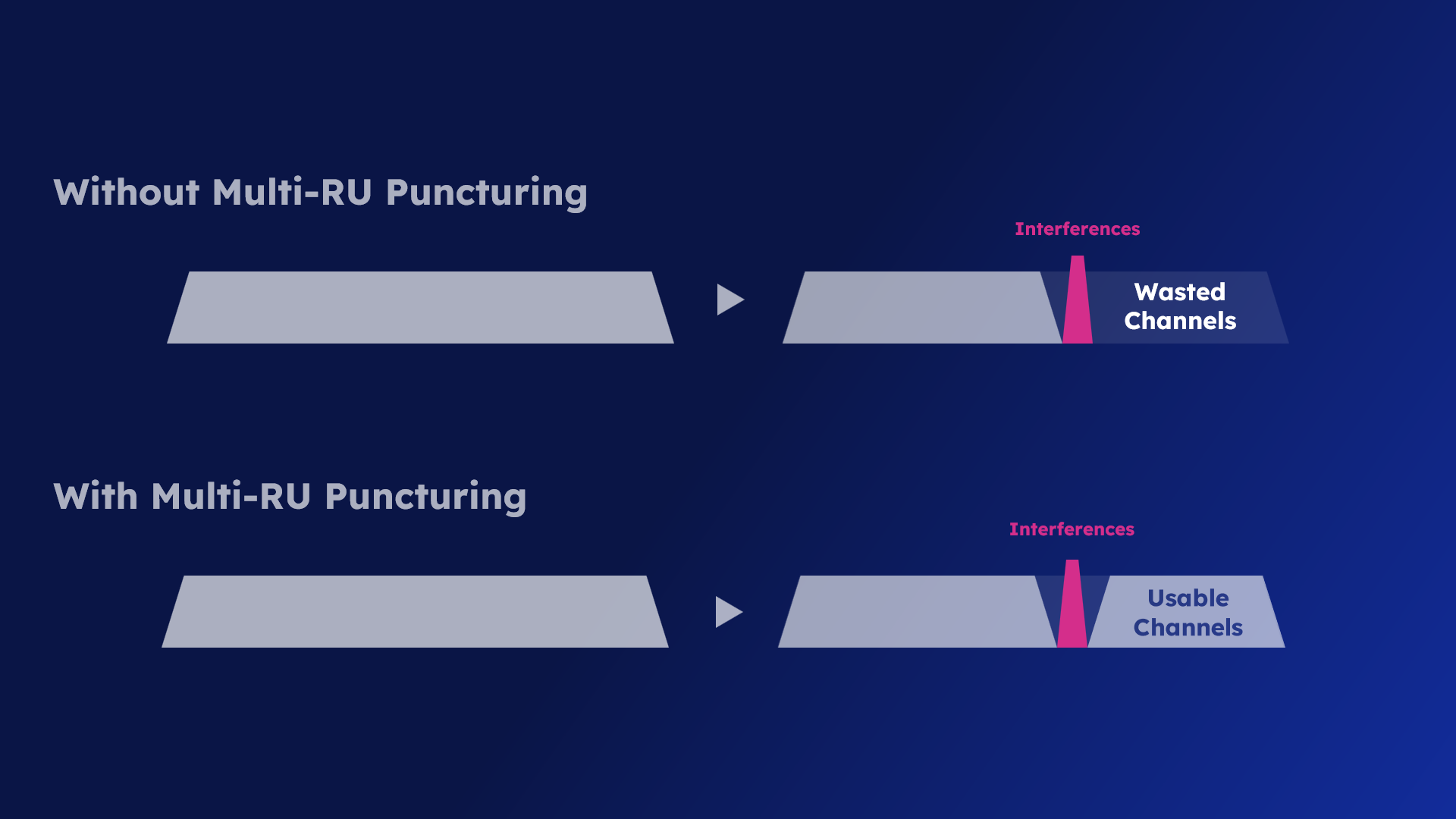
Multi-Resource Unit Puncturing: Previously, WiFi could only use an entire, continuous band. If part of the band was occupied by other devices or services, the remaining portion would go unused. Wi-Fi 7 can now isolate the occupied sections and fully utilize the available bandwidth, maximizing efficiency. 

WiFi 7 Multi-Resource Unit Puncturing

Innovative Use Cases Unlocked by Wi-Fi 7 

With data throughput of up to 46 Gbps, ultra-low latency, and higher network capacity, WiFi 7 enables the realization of advanced applications that demand high-speed connectivity. 

8K Ultra HD Streaming: WiFi 7’s high speeds enable rapid loading and smooth playback of 8K video streams, providing a seamless viewing experience. 

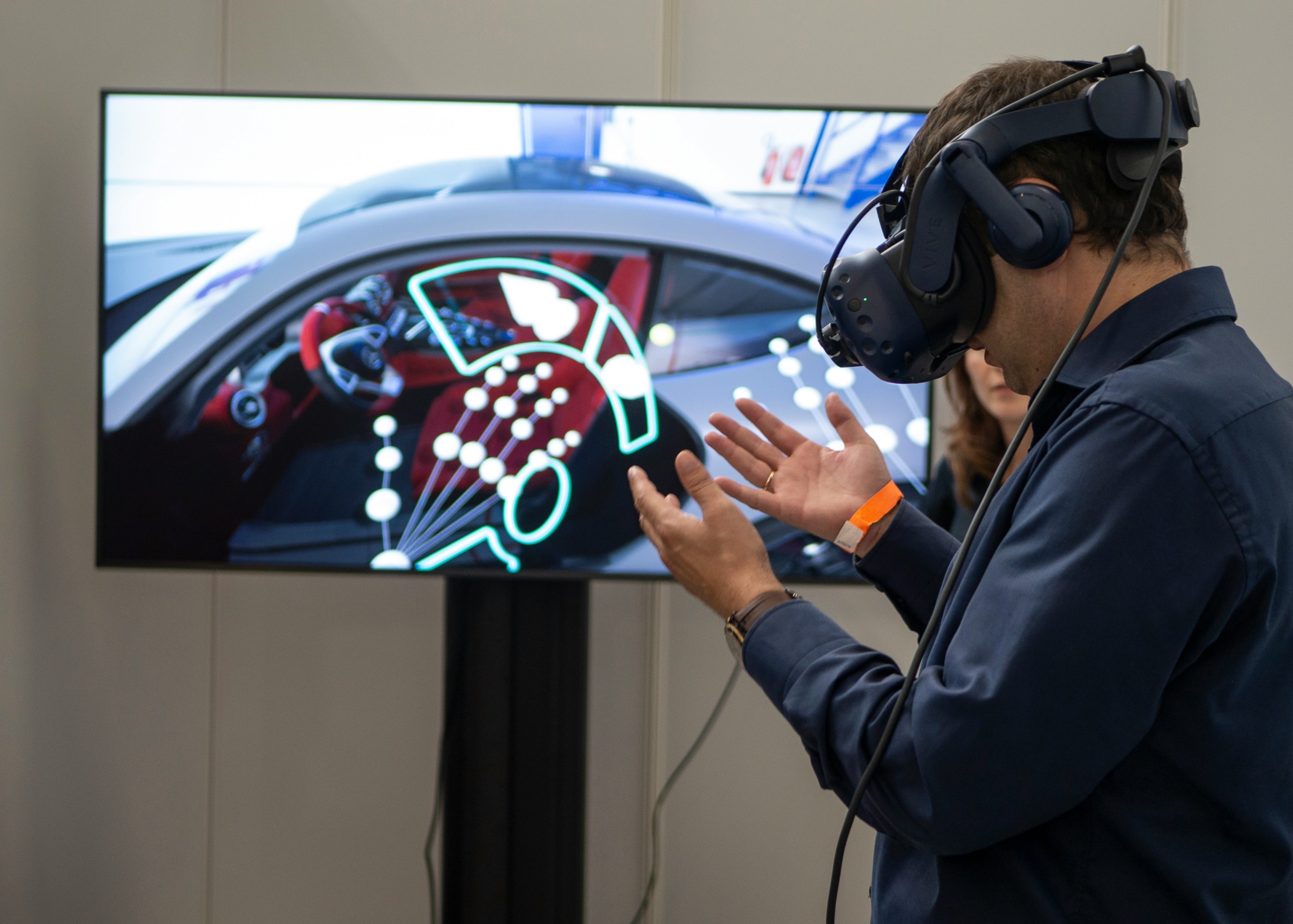
XR/AR: In XR/AR applications, slight signal delays can cause ghosting effects, leading to visual disorientation. WiFi 7’s ultra-high data throughput and low latency ensure a fluid and immersive experience. 

XRAR

Cloud Gaming and Interactive Applications: WiFi 7 offers the high bandwidth and low latency needed for real-time responsiveness. It delivers a more immersive and interactive experience while reducing the hardware requirements for user devices. 

Industrial IoT (IIoT) 4.0: In intelligent factories, WiFi 7 supports the simultaneous connection of many sensors and precision machinery, providing a high-capacity, low-latency network. 

IIoT 4.0

YTTEK’s Support to the WiFi7 

YTTEK offers a highly flexible software-defined platform, PluSDR, enabling Wi-Fi 7 researchers and system developers to validate and perform OTA testing rapidly. Y.FORCE operates across a frequency range of 10 MHz to 9 GHz and supports up to 400 MHz of bandwidth, meeting and exceeding the hardware requirements for Wi-Fi 7 research. 

Key Features of PluSDR (YTPC400) 

  • Highly flexible software-defined radio platform 
  • Supports a frequency band of 10 MHz to 9 GHz 
  • 400 MHz high bandwidth per channel 
  • Supports 5G NR, WiFi, and CCSDS (satellite communication) standards  

Leveraging SDR’s high flexibility, the PluSDRSDR platform enables wireless researchers and system developers to rapidly prototype wireless communication systems and validate their concepts, including WiFi (WiFi 6, WiFi 6E, and WiFi7), 5G NR, and CCSDS technologies. This accelerates product development timelines and serves as an important tool for shortening the gap between research and application. 

Learn more about PluSDR SDR Platform >>


AI applications often involve the transmission of large volumes of data, real-time processing, and the connection of numerous sensing devices. These demands require a high-speed, stable network capable of supporting many devices simultaneously. As a result, high-bandwidth wireless communication is crucial to the advancement of AI technology. This article explores why AI relies on high-bandwidth wireless communication and provides the use case of autonomous driving to help you better understand it.

AI applications often involve the transmission of large volumes of data, real-time processing, and the connection of numerous sensing devices. These demands require a high-speed, stable network capable of supporting many devices simultaneously. As a result, high-bandwidth wireless communication is crucial to the advancement of AI technology. This article explores why AI relies on high-bandwidth wireless communication and provides the use case of autonomous driving to help you better understand it. 

AI image

Why Does AI Need High-Bandwidth Wireless Communication? 

In AI applications, processing large amounts of data from user devices, sensors, cameras, and IoT devices is common. High-bandwidth wireless networks facilitate the rapid transmission of this data, support numerous simultaneous connections of these IoT devices, and minimize latency. This ensures that AI systems can promptly receive and process information. Consequently, high-bandwidth wireless networks are essential infrastructure for effective AI implementation. 

Edge Computing 

As the demand for AI computing increases, edge computing is becoming increasingly important. High-bandwidth wireless communication can also effectively support rapid data exchange between these edge devices and the cloud, thereby improving system efficiency and response speed. 

Use Case: High-Bandwidth Wireless Communication in Autonomous Driving 

Next, we will use the autonomous driving use case to explain why AI needs high-bandwidth wireless communication.  

Satellite-Connected Car

Autonomous vehicles rely heavily on AI to navigate, detect obstacles, and make real-time decisions. These vehicles are equipped with numerous sensors, cameras, and radar systems that generate terabytes of data. High-bandwidth communication is essential for real-time data transfer, ensuring that data from various sensors is transmitted to the AI system with low latency. 

Remote monitoring and updates facilitate over-the-air updates and remote diagnostics, ensuring the vehicle’s AI system is always up-to-date and functioning correctly. High-bandwidth wireless communication can provide network connectivity for these vehicles. 

Vehicle-to-everything (V2X) is another key technology for autonomous driving. It enables vehicles to communicate with each other and with infrastructure (like traffic lights and road signs), improving safety and traffic management to minimize accidents and traffic jams. This involves a vast network of connected infrastructures, which high-bandwidth wireless communication can effectively support. 

YTTEK’s Support in High Bandwidth Wireless Communication 

High-bandwidth wireless communication technology is key to realizing AI applications, and YTTEK is at the forefront of supporting advancements in this field by providing R&D equipment. Our PluSDR SDR (Software-Defined Radio) platform, featuring up to 400MHz of high bandwidth, is a powerhouse designed for the research and development of high-bandwidth wireless systems. It can easily perform 5G NR and WiFi OTA (over-the-air) testing across a frequency band ranging from 10 MHz to 9 GHz. 

Key Features of PluSDR (YTPC400) 

  • Highly flexible software-defined radio platform  
  • Supports a frequency band of 10 MHz to 9 GHz  
  • 400 MHz high bandwidth per channel  
  • Supports 5G NR, WiFi, and CCSDS (satellite communication) standards 

Leveraging SDR’s high flexibility, the PluSDR SDR platform enables wireless researchers and system developers to rapidly prototype wireless communication systems and validate their concepts. This accelerates product development timelines and provides a competitive edge in the rapidly evolving fields of wireless communications and AI. 

Learn more about PluSDR SDR Platform >>

Higher bandwidth means that more data can be transmitted simultaneously. In an era where high-definition video streaming and IoT (Internet of Things) infrastructure are becoming increasingly prevalent, the demand for high data throughput has driven wireless technologies to seek higher bandwidth. 

Technologies Needing Higher Bandwidth 

5G mmWve and B5G/6G: One of the forefront technologies leveraging high bandwidth is 5G mmWave. This technology operates at mmWave frequencies, providing high bandwidth that facilitates ultra-fast data transfer rates and low latency. 

5G B5G 6G

As we look beyond 5G, the terahertz frequency band used in B5G/6G is expected to provide bandwidth up to a hundred GHz and offer peak transmission speeds ranging from 100 Gbps to 1 Tbps. 

LEO Satellite Constellation: LowEarth orbit (LEO) satellites require high bandwidth to interconnect the entire constellation, enabling the capacity to deliver high-speed internet to remote and underserved areas, thereby bridging the digital divide. 

Satellite communication

WiFi 7: In the realm of WiFi, the upcoming WiFi 7 is making remarkable strides. WiFi 7 is anticipated to offer even more significant enhancements, including support for wider channels and higher modulation rates, which translates to faster and more reliable connections with its 320MHz bandwidth. 

Why We Need High Bandwidth? 

High bandwidth is anticipated to bring future applications into the real world. Below, we provide two examples illustrating how higher bandwidth communication will elevate various technologies. 

IoT application: High bandwidth is essential for the proliferation of IoT devices, which require robust and reliable connectivity to function effectively. From smart homes to IIoT (Industrial Internet of Things) 4.0, high bandwidth ensures that many devices can communicate seamlessly, transmitting large amounts of data in real time. 

IIoT 4.0

XR/AR application: High bandwidth greatly benefits XR(Extended Reality) and AR (Augmented Reality) applications. These technologies rely on high data transfer rates to deliver immersive and interactive experiences. For instance, AR applications in retail, healthcare, and education require real-time processing and delivery of high-definition visuals and audio, which high bandwidth can efficiently support. 

XR AR

YTTEK’s Support in High Bandwidth Wireless Research 

Understanding the challenges in developing next-generation communication systems, YTTEK provides RF testing and measurement solutions to assist developers in turning concepts into reality. The RF testing instrument PluSDR, featuring a 400MHz high bandwidth, will facilitate testing communication systems that demand higher bandwidth. 

Key Features of PluSDR (YTPC400)

  • Highly flexible software-defined radio platform  
  • Supports a frequency band of 10 MHz to 9 GHz  
  • 400 MHz high bandwidth per channel  
  • Expandable to synchronize up to four units for an 8T8R configuration  
  • Supports 5G NR, WiFi, and CCSDS (satellite communication) standards 

Through the enhancement of bandwidth, more innovative applications requiring large data transfer rates and multiple device connections can be realized. The fields of smart homes, smart factories, and smart cities are expected to thrive significantly. 

Learn more about PluSDR SDR Platform >>

How to Prototype Wireless Systems? Using SDR for rapid prototyping

Wireless system developers create prototypes to test and validate their ideas in real-world conditions. In today’s fast-paced technological landscape, reducing prototype creation time is crucial. SDR (Software-defined radio) has emerged as the optimal solution for rapid prototyping, empowering system developers to validate their concepts efficiently. 

Wireless prototyping

Why is SDR an Optimal Solution for Rapid Prototyping? 

The flexibility of SDR allows engineers to define and process wireless communication protocols through software, including real-time signal modulation, processing, and analysis. This enables the same hardware to support different communication standards and prototype configurations rapidly. 

Leveraging advanced SoC (System-on-Chip) and FPGA (Field-Programmable Gate Array) technology, SDR enables system developers to prototype and develop algorithms. SDR is now widely used in R&D and academic experimental applications. 

How YTTEK Assists System Developers in Prototyping Wireless Systems? 

Beyond serving as an RF testing and measurement platform, the PluSDR is also capable of prototyping wireless systems leveraging its SDR architecture. Leveraging PluSDRs MATLAB and C++ environments, system developers can build fully functional wireless systems via code and perform OTA (Over-the-Air) testing to simulate real-world communication scenarios. 

Key Features of PluSDR (YTPC400)

  • Highly flexible software-defined radio platform  
  • Supports a frequency band of 10 MHz to 9 GHz  
  • 400 MHz high bandwidth per channel  
  • Expandable to synchronize up to four units for an 8T8R configuration  
  • Supports 5G NR, WiFi, and CCSDS (satellite communication) standards 

Below, we provide two example scenarios to help you better understand how PluSDR assists system developers in prototyping wireless systems. 

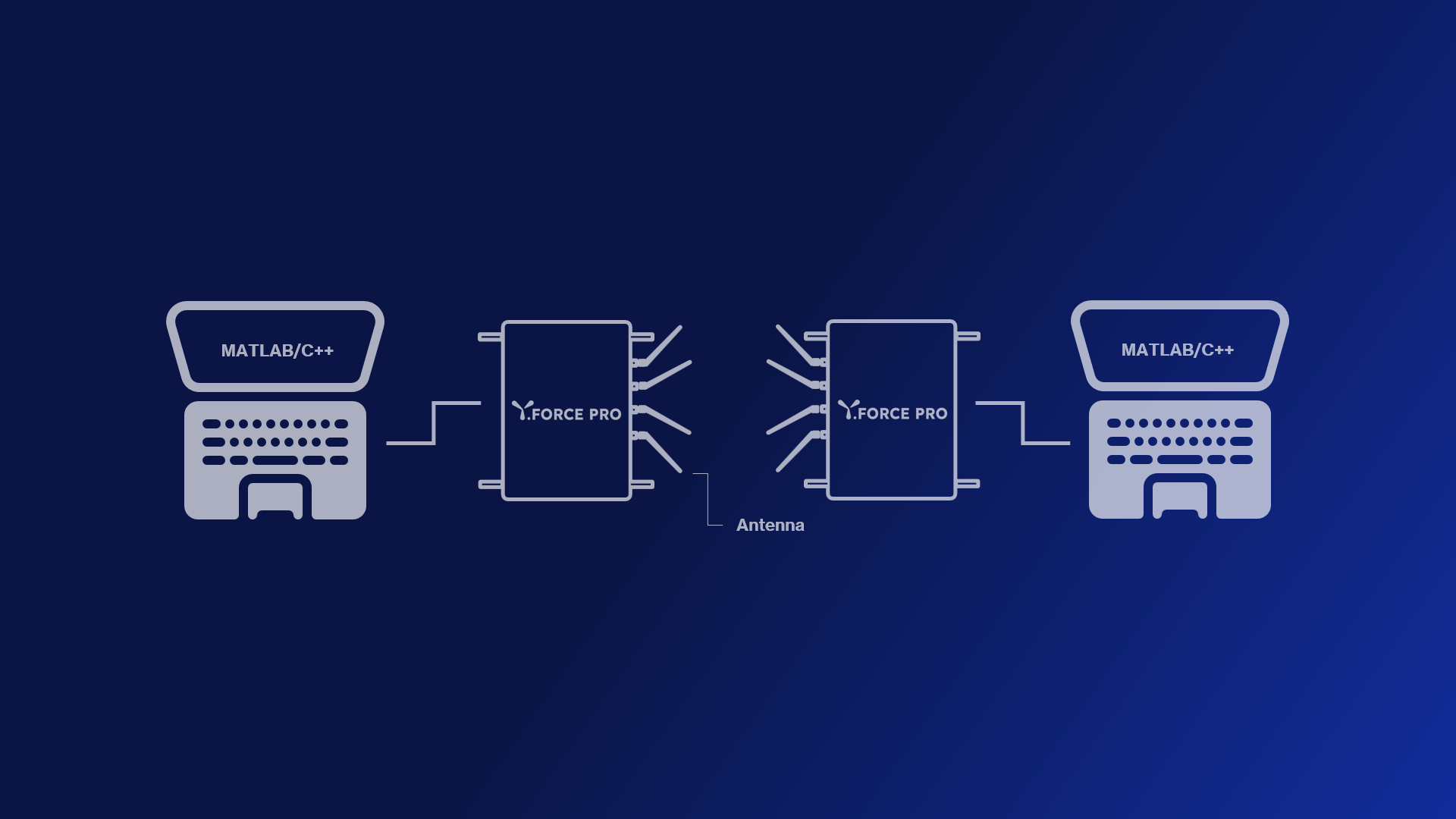
Example 1: Dual-link Real-time 4G or 5G Sub-6 GHz Prototyping 

The PluSDR with a 2TX and 2RX configuration enables the connection of four antennas for dual-link real-time 4G or 5G sub-6 GHz prototyping. This setup supports advanced MIMO technology, providing enhanced data throughput and reliability. 

Example 2: 5G mmWave System Prototyping 

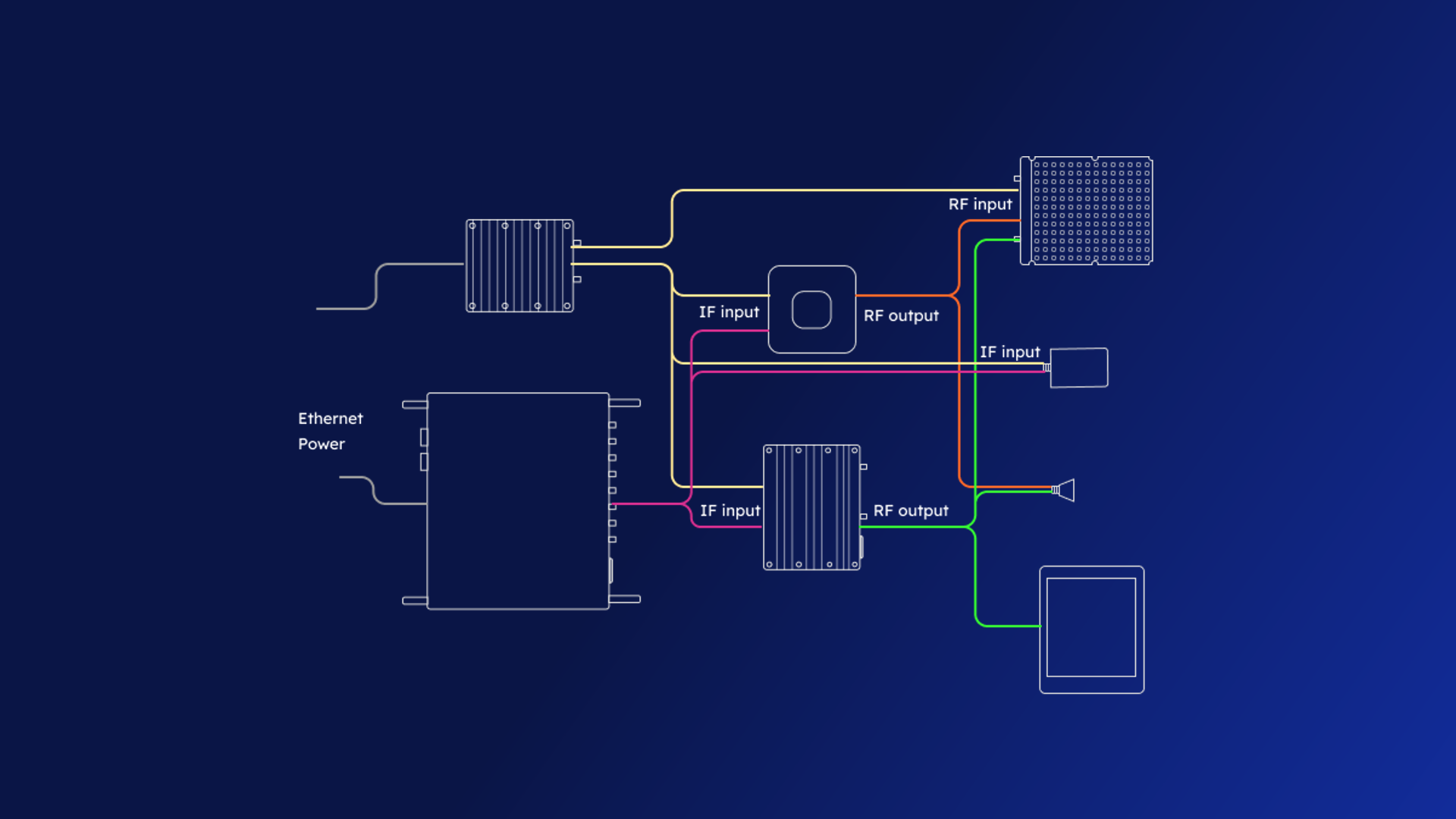
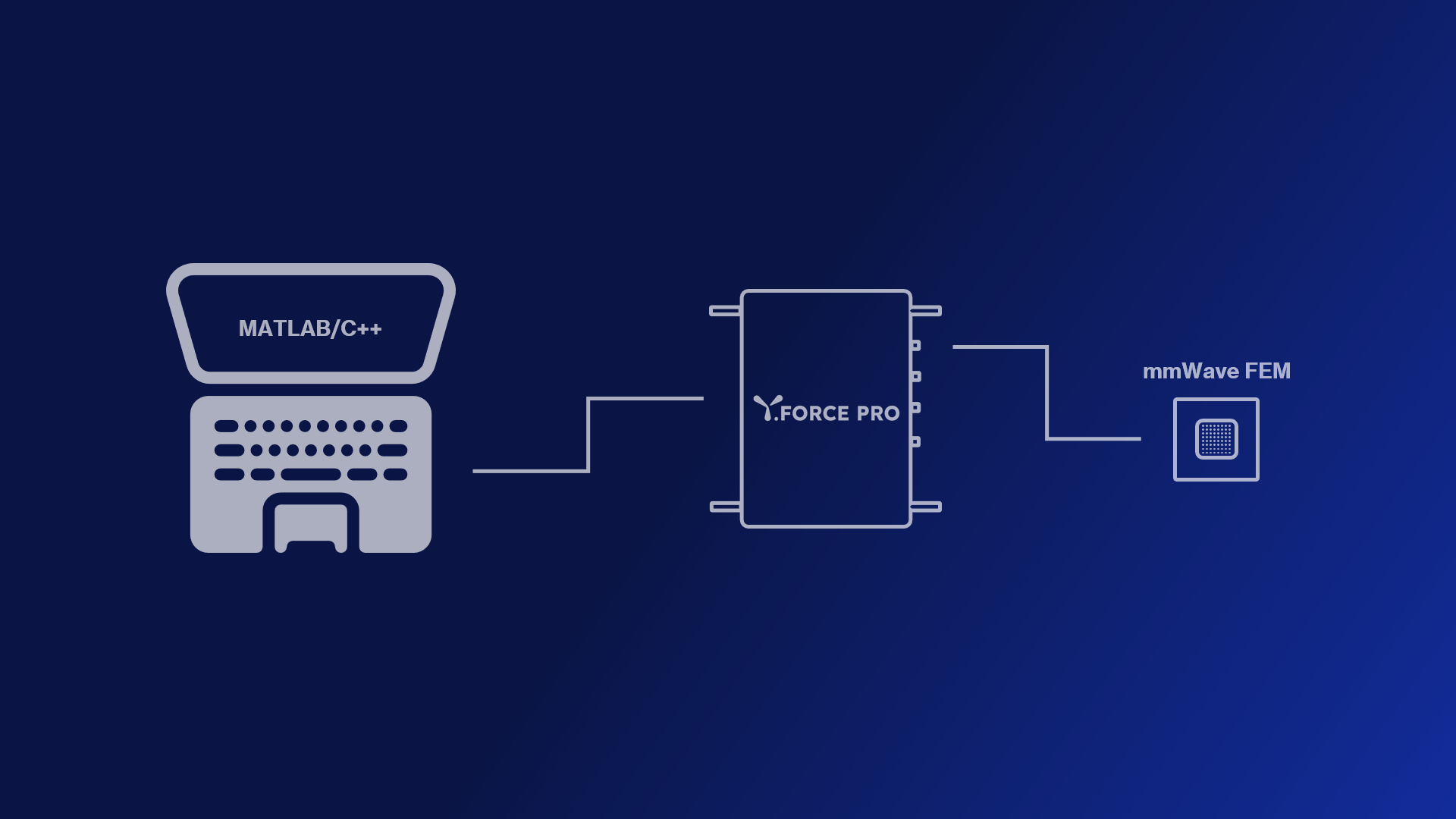
For 5G mmWave prototyping, the PluSDR can connect to the Y.BEAM mmWave front-end module (FEM) to create realistic 5G mmWave transmission scenarios and validate beam management algorithms. 

5G mmWave System Prototyping

In this setup, an automatic planar scanner can also be integrated for near-field measurements to verify antenna and RF component performance. If you want to connect your own mmWave FEM, YTTEK provides technical support services to integrate your mmWave FEM with PluSDR. 

By using PluSDR, wireless system developers can efficiently prototype and validate wireless systems, ensuring robust and reliable communication solutions in the rapidly advancing field of wireless technology. 

Learn more about PluSDR SDR Platform >>

What is OTA Testing A Method to Assess Real-World Wireless Performance

Over-the-air (OTA) testing simulates the real-world transmission of wireless signals through the air. From research and development (R&D) to production, OTA testing helps engineers understand the overall performance of communication systems in real-world environments. This article explores the role OTA testing plays in different product development phases and how to conduct OTA tests.

OTA Testing in the R&D Phase: Simulating Real Communication Environments

During the R&D phase, engineers leverage OTA testing to simulate signal transmission and reception under diverse conditions, such as varying directions, distances, and the presence of obstacles.

This comprehensive simulation allows for the evaluation of both software and hardware performance in wireless communication systems, helping to identify potential incompatibilities or performance issues early in the development process.

R&D

OTA Testing in Quality Assurance and Production Phases

In the quality assurance phase, OTA testing ensures that each product complies with regulatory requirements. For instance, testing the product’s Total Radiated Power (TRP) and Total Isotropic Sensitivity (TIS) values to evaluate its overall performance.

In the production phase, OTA testing is integrated into the manufacturing process to identify and address any defects or inconsistencies early on. This helps to maintain high-quality output and reduces the likelihood of performance issues in the final products.

Production

How to Conduct OTA Testing?

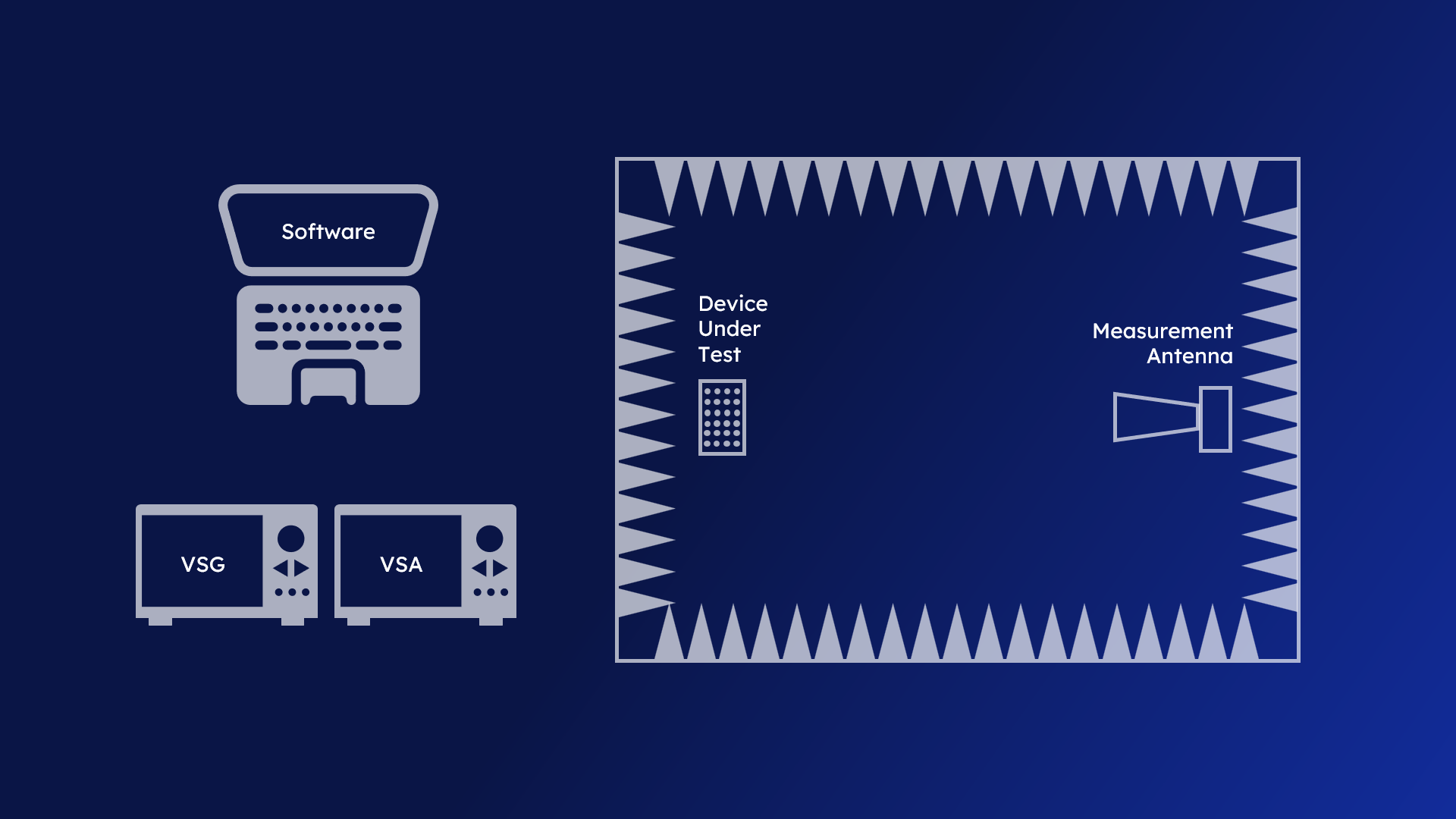
OTA testing is typically conducted in an anechoic chamber to prevent signal leakage or interference. Essential components for OTA testing include a turntable antenna positioning system, measurement antennas, and control and reporting software for automation.

OTA Equipment

Key testing instruments for signal generation and analysis are also crucial. YTTEK’s PluSDR is a non-signaling tester with a software-defined radio architecture, capable of generating and analyzing various signals, such as WiFi, 4G LTE, 5G NR, and CCSDS.

If you want to conduct 5G mmWave OTA testing, the PluSDR can connect to a mmWave front-end module for 5G NR signal transmission and reception. This setup enables beamforming and beam tracking in the mmWave band, facilitating near-field measurements with an automatic planar scanner.

Key Features of PluSDR (YTPC400)

  • Highly flexible software-defined radio platform
  • Supports a frequency band of 10 MHz to 9 GHz
  • 400 MHz high bandwidth per channel
  • Expandable to synchronize up to four units for an 8T8R configuration
  • Supports 5G NR, WiFi, and CCSDS (satellite communication) standards

With over a decade of expertise in wireless communication, YTTEK offers high-quality and flexible solutions for wireless communication test and measurement. Our non-signaling tester, PluSDR, enables product developers to evaluate product performance and functionality comprehensively through OTA testing.

Learn more about PluSDR SDR Platform >>

The Future of Satellite User Terminal Antenna on Connected Car

In the world of the Internet of Vehicles (IoV), satellite connectivity is regarded as one key technology for enhancing the smart cockpit experience. How to integrate the user terminal, which receives and transmits satellite signals, into the car without affecting the user experience has become a challenge. 

Satellite-Connected Car

What Type of Antenna Will Be Used in the Satellite-Connected Car?  

In the domain of satellite communication, the two commonly utilized types of antennas for user terminals are dish antennas and phased array antennas. Compared to dish antennas, the physical properties of phased array antennas enable them to integrate with planar interfaces such as liquid crystal panels or other flat materials. This means that phased array antennas have the potential to be thinner and flatter, allowing them to be integrated into structures such as car sunroofs or other flat surfaces without compromising their functionality. 

YTTEKS Vision of Satellite-Connected Car Antennas 

With over a decade of solid experience in high-frequency wireless technology, YTTEK successfully collaborated with the Taiwan Space Agency (TASA) to capture cosmic signals. In partnership with a renowned liquid crystal display manufacturer, we develop an exclusive liquid crystal Reconfigurable Intelligent Surface (RIS) system.  

These collaborations give us the foundation to envision a future where the antenna of the satellite-connected car is seamlessly integrated into car sunroofs in a transparent form like the liquid crystal panel used in the RIS system. This would perfectly incorporate satellite connectivity into the car without affecting the user experience. 

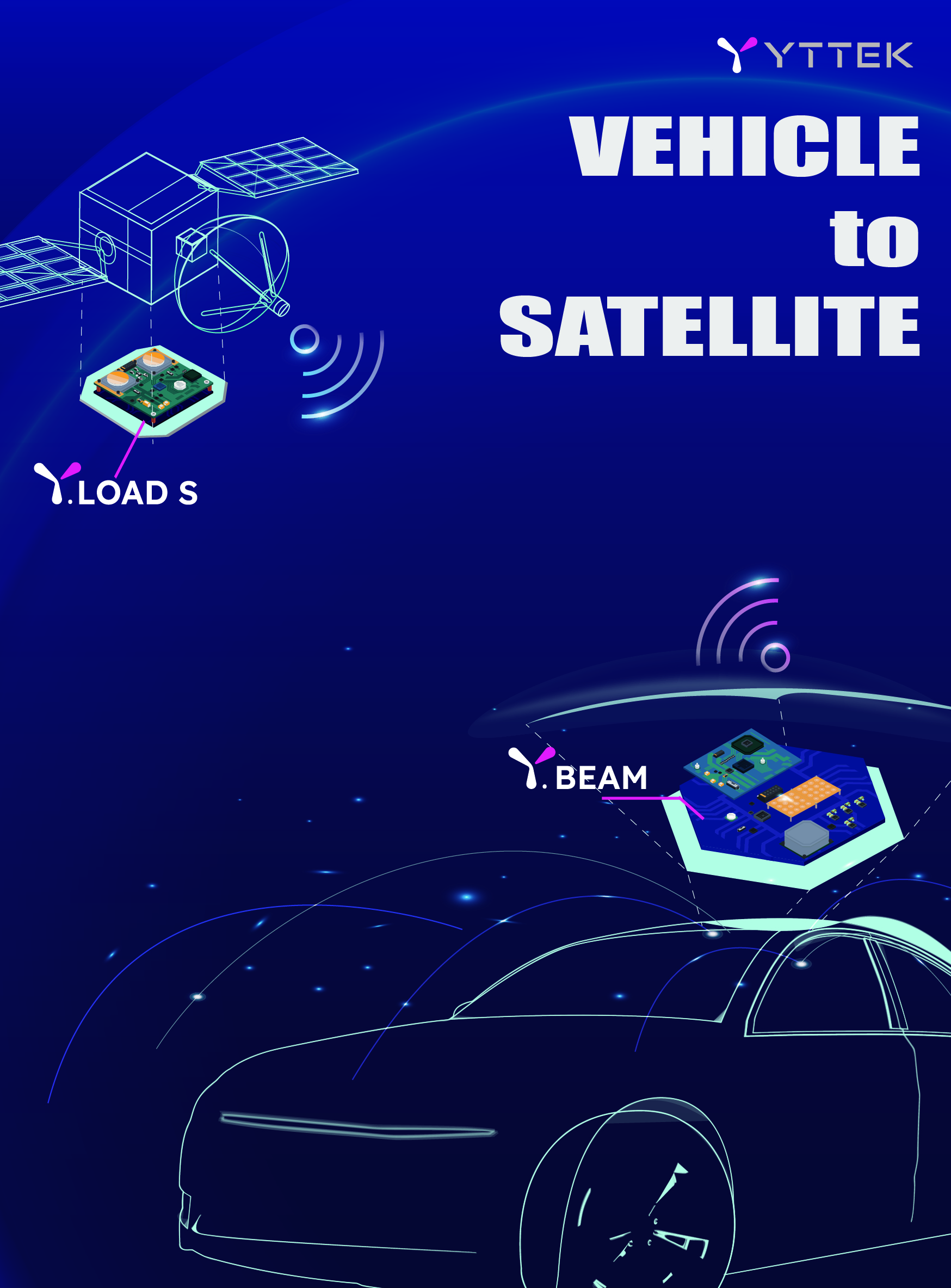
Y.LOAD Satellite Payload and Y.BEAM K / Ka band Antenna's Innovative IntegrationIn our pursuit of satellite-connected cars, we have also completed an experimental LEO satellite communication system for cars. This research has given YTTEK deeper insights into the feasibility of our vision. 


YTTEK offers comprehensive system integration solutions in wireless communication, including algorithm optimization, baseband signal processing, and phased array antenna design. These core capabilities indicate that in addition to antenna design, YTTEK offers the RF front-end system to provide a complete solution, enabling YTTEK to advance further in satellite-connected cars. 

How to Test and Measure RF? Utilizing Testing Instruments Across Different Stages of Product Development

Radio frequency (RF) testing and measurement play a pivotal role in wireless communication. They are not just essential for development, production, and post-sales maintenance, but also across diverse domains such as smartphones, smart cars, antenna production, and RF chipset testing. To navigate this crucial aspect of product development, it’s important to understand the commonly used tools at different stages of the process.

RF Testing Instruments in Research and Development Stages

Signal generation and analysis tools are crucial during the research and development stages. They allow you to simulate real-world communication environments and conduct in-depth signal analyses. A vector signal generator generates signals, while a vector signal analyzer is employed for detailed signal analysis, including error rate analysis, spectrum analysis, and symbol timing analysis.

RF testing and measurement are instrumental in identifying and quantifying various issues and characteristics within the signals. In this context, YTTEK’s PluSDR offers a new option. It simplifies your testing equipment by integrating both a vector signal generator and vector signal analyzer functions into a single platform. With built-in modulation options and the ability to generate various signals using C++ or MATLAB code, it’s a powerful tool for measuring and validating your communication system.

PluSDR (YTPC400) Features

  • Highly flexible software-defined radio platform
  • Support for 10 MHz to 9 GHz frequency band
  • 400MHz high bandwidth per channel
  • Maximum 2TX2RX
  • Expandable to synchronize up to 4 units for achieving an 8T8R configuration
  • Support 5G NR, WiFi, CCSDS (satellite communication) standards

RF Testing Instruments in Production

In production, signal sources like vector signal generators help you generate various types and frequencies of signals to verify product performance and frequency response. Meanwhile, vector signal analyzers (VSAs) analyze signals received from the antenna to evaluate its characteristics, such as gain, directivity, and frequency response. This process involves debugging, validation, and radiation characteristic testing to ensure optimal performance and adherence to specifications.

You may also conduct impedance matching and reflection loss tests to assess the product’s performance. A vector network analyzer (VNA) or PluSDR can assist in testing the overall network performance by conducting comprehensive measurements of transmission parameters such as S-parameters.

The PluSDR, a powerful RF testing and measurement instrument, can also connect with the mmWave front-end module. This enables higher-frequency communication research and testing, spanning from 5G mmWave to LEO satellite testing scenarios. With these capabilities, PluSDR offers reliable tools for high-frequency wireless communication testing, fully unleashing your RF design capabilities.

Learn more about PluSDR SDR Platform >>


Optimizing UAV Communications with Frequency Hopping

Signal interference poses a significant challenge in unmanned aerial vehicle (UAV) communications. Frequency hopping technology has emerged as an optimal solution to address this issue. 

What is Frequency Hopping? 

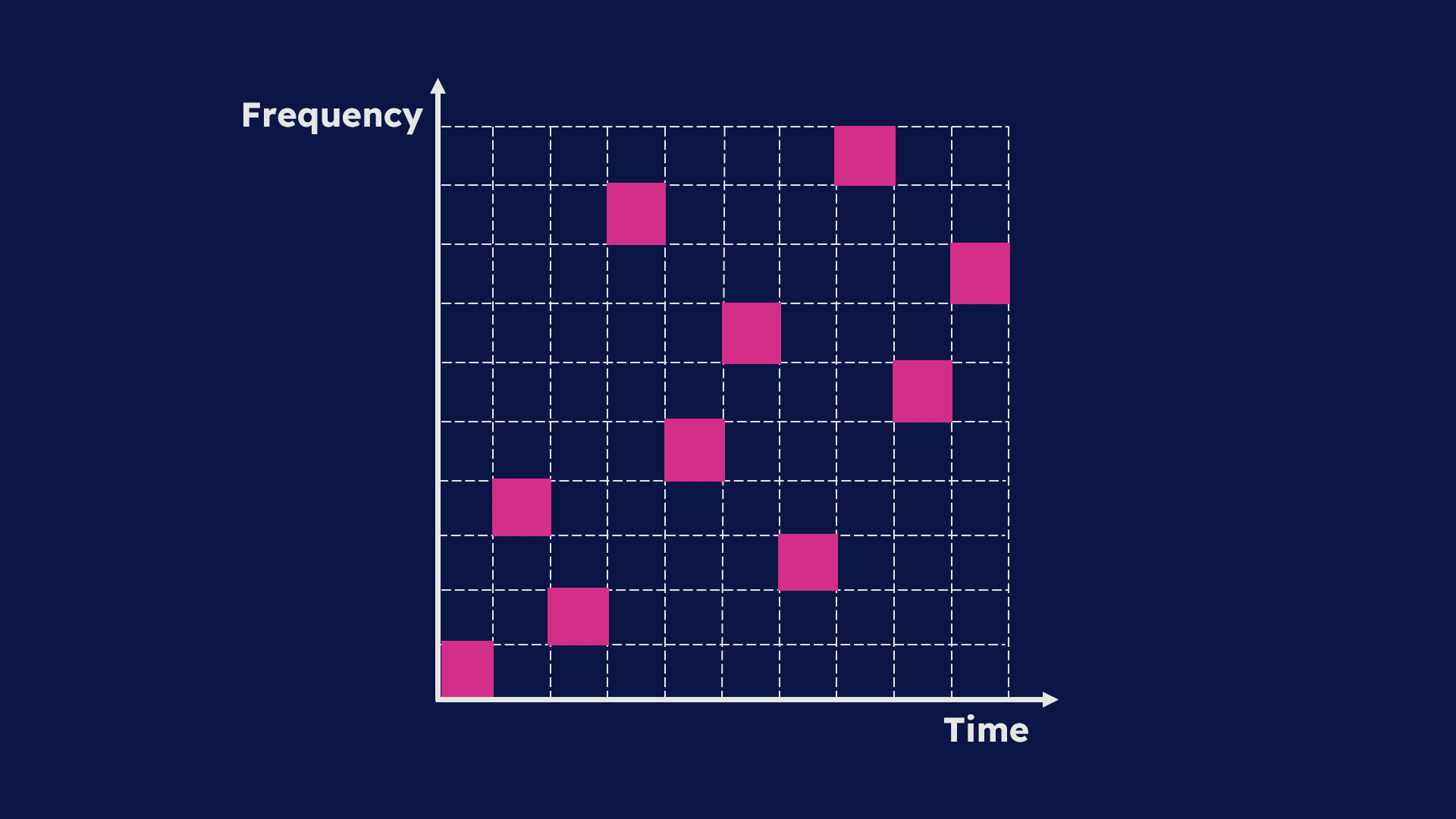
Frequency hopping is a wireless communication technology that rapidly switches communication signals between different frequencies to mitigate signal interference. In Frequency hopping, communication signals hop between frequencies on the frequency axis, with each data packet or interval transmitted at different frequencies. This frequency-hopping pattern is determined by a pre-agreed pseudorandom sequence. 

Frequency-Hopping

Frequency Hopping

The Benefits of Frequency Hopping 

Frequency hopping technology offers several advantages, including resistance to interference, security and covert operations, and spectrum efficiency.  

  • Resistance to interference: Due to the rapid frequency hopping of communication signals, it can effectively resist malicious interference and eavesdropping.  
  • Security and covert operations: Because the frequency hopping pattern is based on a pseudorandom sequence, communication signals are difficult for unauthorized recipients to capture and comprehend, thereby enhancing communication security and covert operations. 
  • Improves spectrum efficiency: A frequency hopping transmitted radio signal can share frequency bands with conventional transmissions without causing significant interference, thus enhancing spectrum efficiency. 

Application of Frequency Hopping 

Frequency hopping is currently employed in Bluetooth, unmanned aerial vehicles (UAVs), and other military applications. Due to its resistance to interference, security, and covert operation, this technology is particularly suitable for UAV communications. 

Unmanned Aerial Vehicle (UAV)

Unmanned Aerial Vehicle (UAV)

Frequency-Hopping in Unmanned Aerial Vehicles (UAVs) 

Taking YTTEK’s software-defined radio payload Y.LOAD G as an example; it is a software-defined payload specifically designed for UAV communication, leveraging the advantages of frequency hopping to the fullest. For example, when UAVs gather intelligence in enemy territory, frequency hopping’s covert capabilities make it challenging for adversaries to detect. Additionally, its interference resistance ensures stable transmission of control commands even in the presence of enemy jamming signals. Finally, robust security measures enable the safe transmission of collected data back to the ground. 

Information About Y.LOAD G

  • Operates in 1.6GHz~2.6GHz (S-band) 
  • The frequency hopping rate is 1000 hops per second  
  • Compact size for CubeSat (11cmx10cmx3cm)  
  • Designed with Xilinx Zynq UltraScale+ XCZU9EG reprogrammable FPGA 
  • Includes ARM CPU core: Cortex A53,  Cortex R5, and Mali-400 MP2 

Frequency-Hopping in Civil Application 

Frequency hopping is also used in everyday life, such as in Bluetooth technology. Through frequency hopping, Bluetooth devices can switch between different channels to reduce interference and seek better signal quality, thereby enhancing communication stability and reliability.

From UAV applications to daily life, frequency hopping offers a robust connection for various domains, even in an environment filled with interference. On the other hand, YTTEK leverages years of experience in wireless. We offer not only software-defined radio payloads for UAVs but also payloads for satellites, such as Y.LOAD S. Welcome to visit our product page to explore more technologies. 

Learn more about Y.LOAD G UAV Communication Payload >>

Learn more about Y.LOAD S Satellite Communication Payload >>

3 Advantages of Software-defined Radio Payload and The Difference Between Traditional Hardware Implementations

Software-defined radio (SDR) payloads offer cost-effective and flexible solutions compared to traditional satellite hardware implementations. They are utilized in various low-earth orbit (LEO) satellite applications, including smaller CubeSat satellites. This article aims to explain why these satellites opt for SDR payloads, highlighting the differences between SDR payloads and traditional hardware implementations, and enumerating their advantages. 

satellite in space

The Difference Between Software-defined Radio Payload and Traditional Hardware Implementation 

Traditional satellite communication systems are predominantly hardware-based, often customized to specific communication needs, including communication protocols and frequency bands. This hardware-centric architecture lacks upgradability and reconfigurability, limiting its utility. In contrast, SDR payloads benefit from a software-centric architecture, enabling reconfiguration and even remote updates. This enables the payload to adapt to different missions. Take YTTEK’s Y.LOAD S as an example: it is an SDR-based X-band satellite payload that can be easily reconfigured via software, thus catering to various communication requirements in LEO satellites.  

Information About Y.LOAD S 

  • Operation frequency band is 8.0~8.4GHz for downlink and 14.0~14.5GHz for uplink 
  • Compact size for CubeSat (11cmx10cmx3cm) 
  • Designed with Xilinx Zynq UltraScale+ XCZU9EG reprogrammable FPGA​ 
  • Includes ARM CPU core: Cortex A53, Cortex R5, and Mali-400 MP2​ 

3 Advantages of Software-defined Radio Payload 

Here we enumerate the advantages of SDR payloads to understand this type of device further: 

  1. Reconfiguration: The reconfigurable nature allows for multiple communication scenarios to operate using the same hardware. A general-purpose processor enables efficient reuse of circuit elements, reducing the time and cost associated with hardware redesign. 
  2. Remote Configuration and Flexibility: SDR systems offer the capability for remote configuration or updates, facilitating convenient bug fixes, upgrades, or optimizations. This functionality allows for in-flight re-tasking and mission repurposing, providing optimal flexibility during actual mission execution. A well-designed software-defined radio payload can be considered an off-the-shelf system component, significantly reducing mission development time and risk. 
  3. Simplified Space Qualification: All systems and components must undergo environmental condition testing to ensure satellites operate smoothly in the harsh space environment. The SDR approach simplifies the challenge of space qualification by enabling a shift in focus towards using space-qualified devices instead of costly qualification processes for each customized device. 

These advantages streamline the development time and effort required for new systems and applications, making satellite communication systems more readily available as off-the-shelf products and enhancing overall efficiency in satellite development. 

Software-defined Radio Payload for Unmanned Aerial Vehicle

In addition, SDR payloads also find utility in unmanned aerial vehicles (UAVs). YTTEK’s Y.LOAD G stands out as a purpose-built payload tailored for UAV applications. Similar to Y.LOAD S, it offers pre-built point-to-point and point-to-multipoint communication software functionalities, meeting the needs of users seeking ready-made solutions for swift deployment.  

Learn more about Y.LOAD S Satellite Communication Payload >>

Learn more about Y.LOAD G UVA Communication Payload >>