Customer
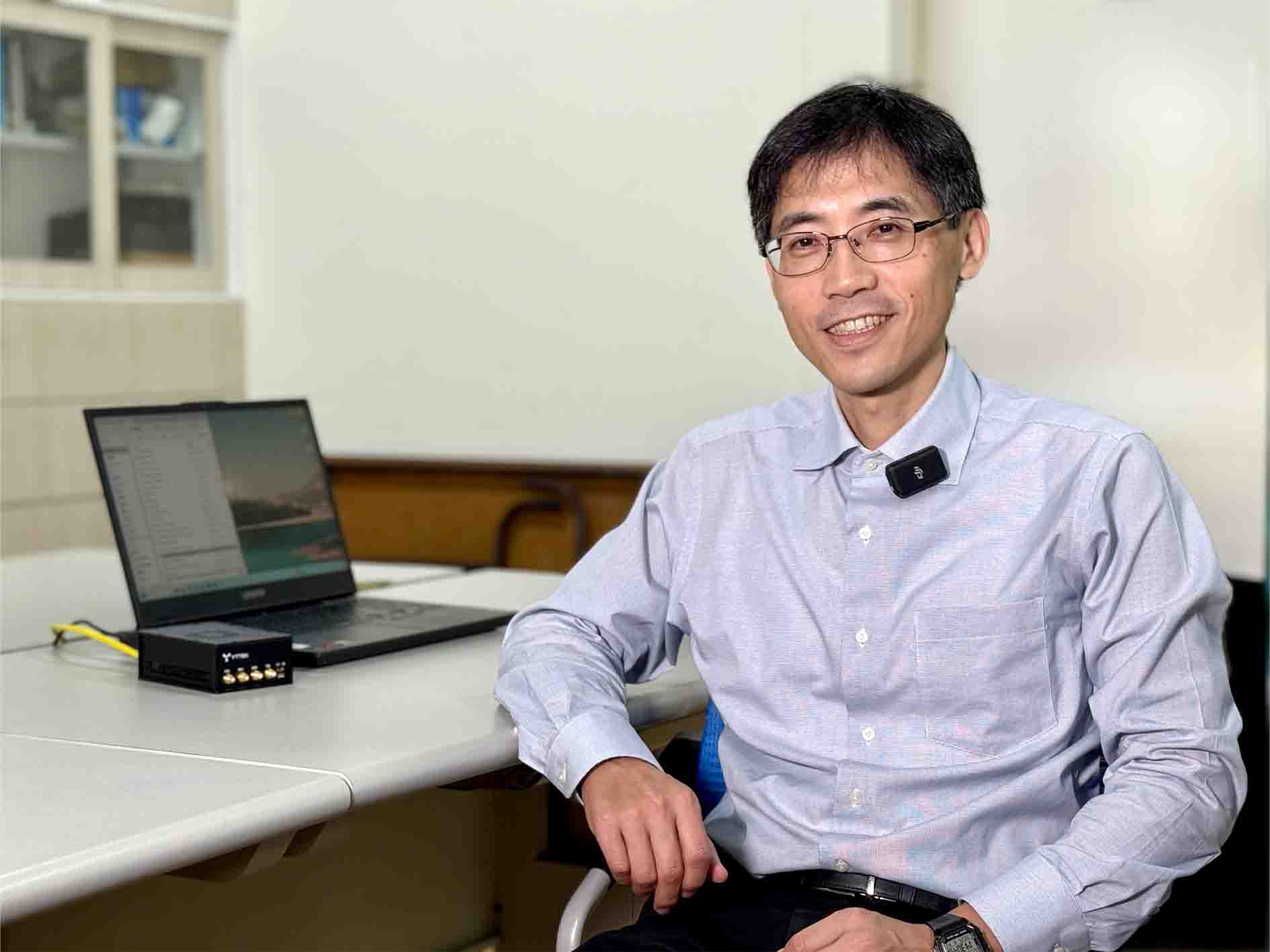
Professor
Chao Kai Wen
University
National Sun Yat-sen University
Department
Communications Engineering
Research areas
Communication signal processing
MIMO antenna array technology

With YTTEK PluSDR Lite’s seamless Python integration, students successfully created an AI-powered smart receiver — and won first place in an engineering competition.
Chao Kai Wen, Professor
National Sun Yat-sen University
Overview
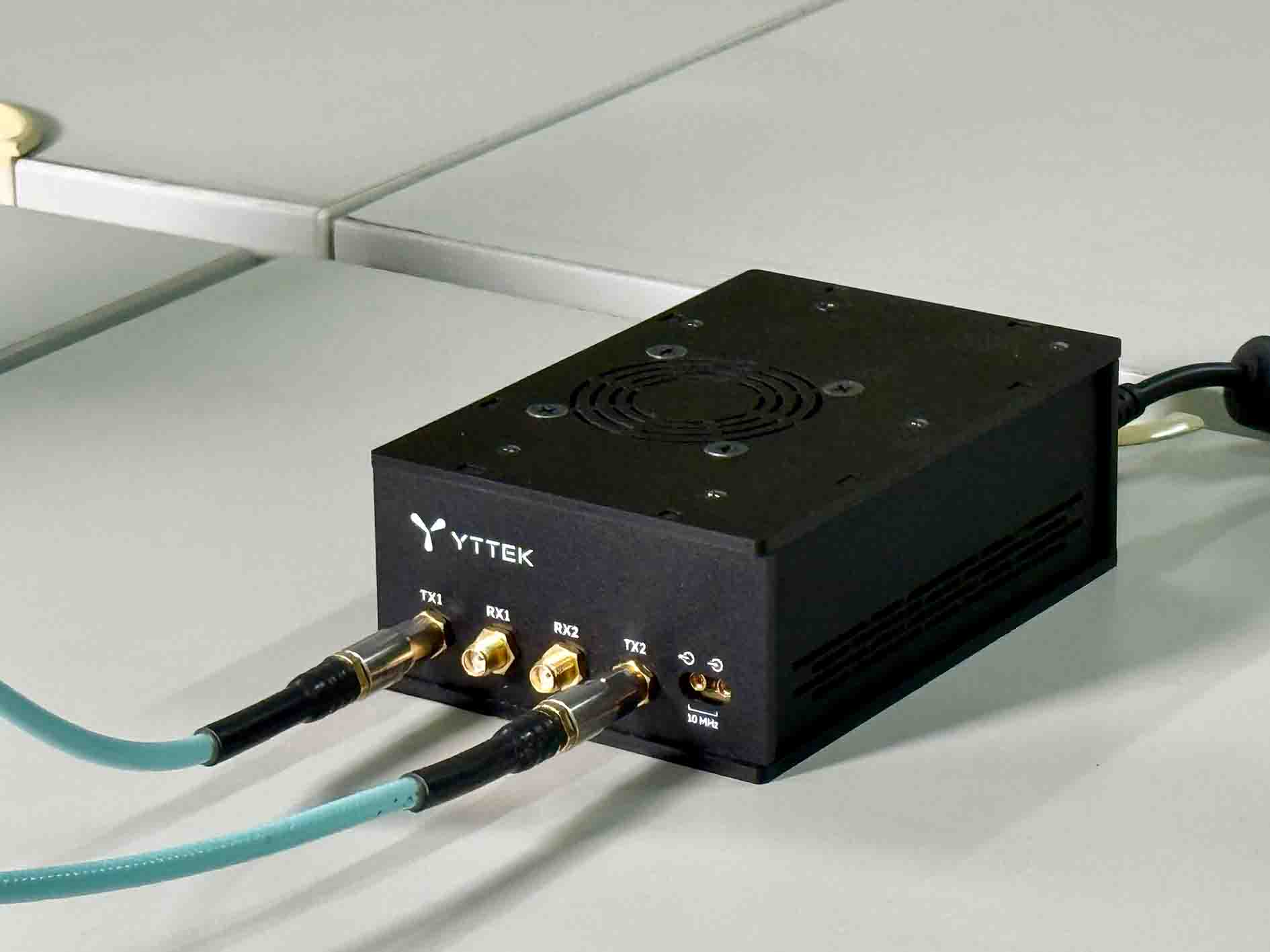
At National Sun Yat-sen University, Professor Chao Kai Wen leads research in communication signal processing and MIMO antenna array technologies, with a clear goal of turning theory into practice. “I’m very interested in turning research into real prototypes and testbeds,” he says, noting that many of his lab’s projects are now applied in industry. To support both teaching and experimentation, Professor Wen chose YTTEK’s PluSDR Lite Software-Defined Radio (SDR) Platform as a foundation for developing and validating next-generation wireless systems.
Challenges
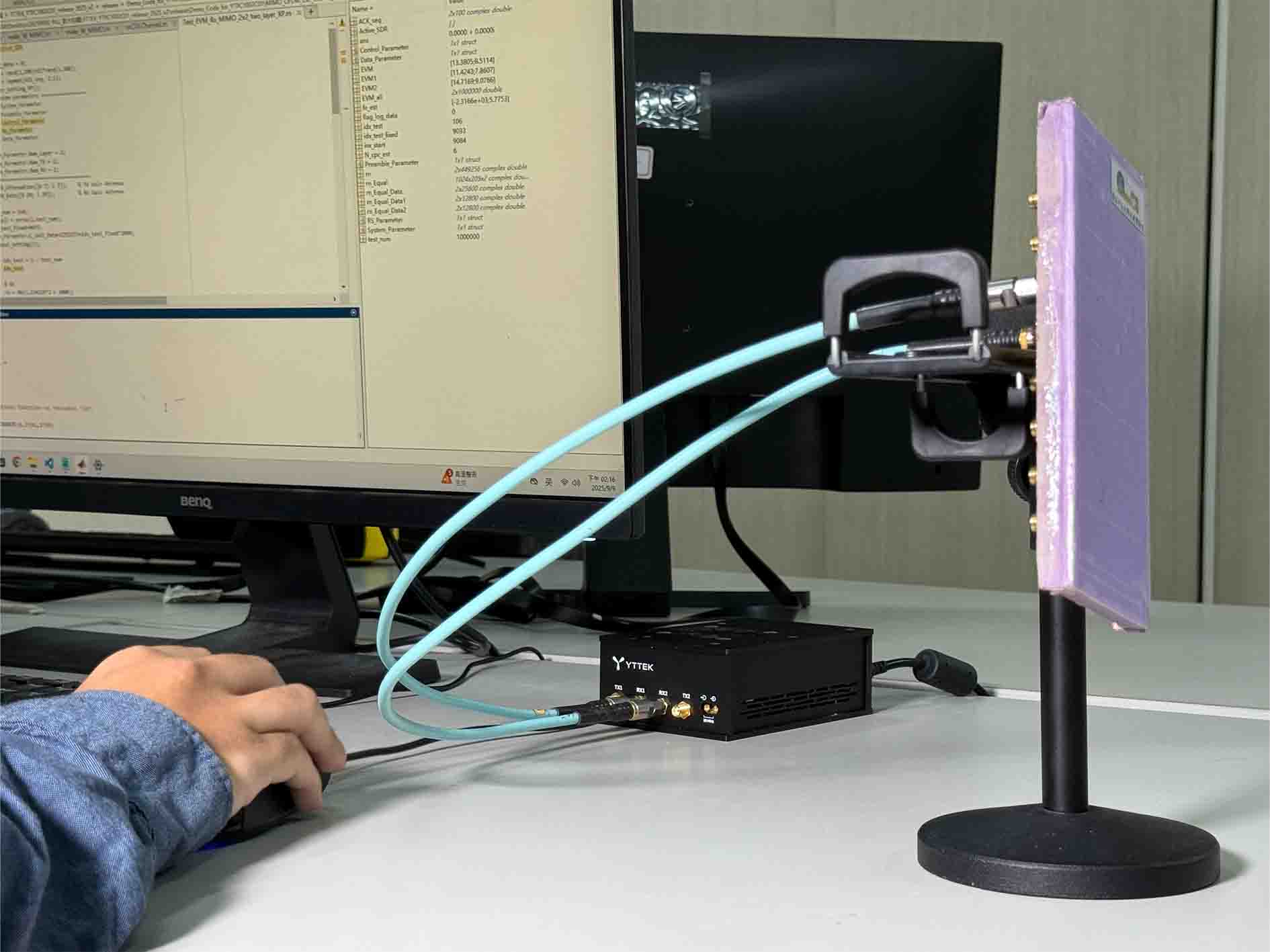
Building real wireless prototypes from theoretical models is typically a long, complex process. Traditional SDR platforms require intricate setup and fragmented workflows, making it difficult to handle real signals or integrate AI-based algorithms efficiently. Professor Wen needed a platform that could capture live wireless signals and quickly convert them into I/Q data, while remaining compatible with existing tools his students already used. “The biggest advantage of PluSDR Lite is its easy-to-use interface,” he explains. “It lets us capture real wireless signals and quickly convert them into I/Q data. We can also use software we already know, like Matlab and C++, to analyze the signals and design our own systems. And because it supports Python, we can easily add AI functions to build smart transceivers.” Professor Wen adds.
YTTEK solutions
PluSDR Lite offered the flexibility and simplicity his research required. Its intuitive interface enables real-time signal capture and instant data conversion, while seamless integration with Matlab, C++, and Python lets researchers design, analyze, and optimize transceivers without switching platforms. “After basic training in communication theory,” says Professor Wen, “our students can build a MIMO-OFDM transceiver in about two months and test it over the air—not just understand it in theory.” The same platform also allows them to add AI-driven features, transforming classroom concepts into real, intelligent communication systems.
Results
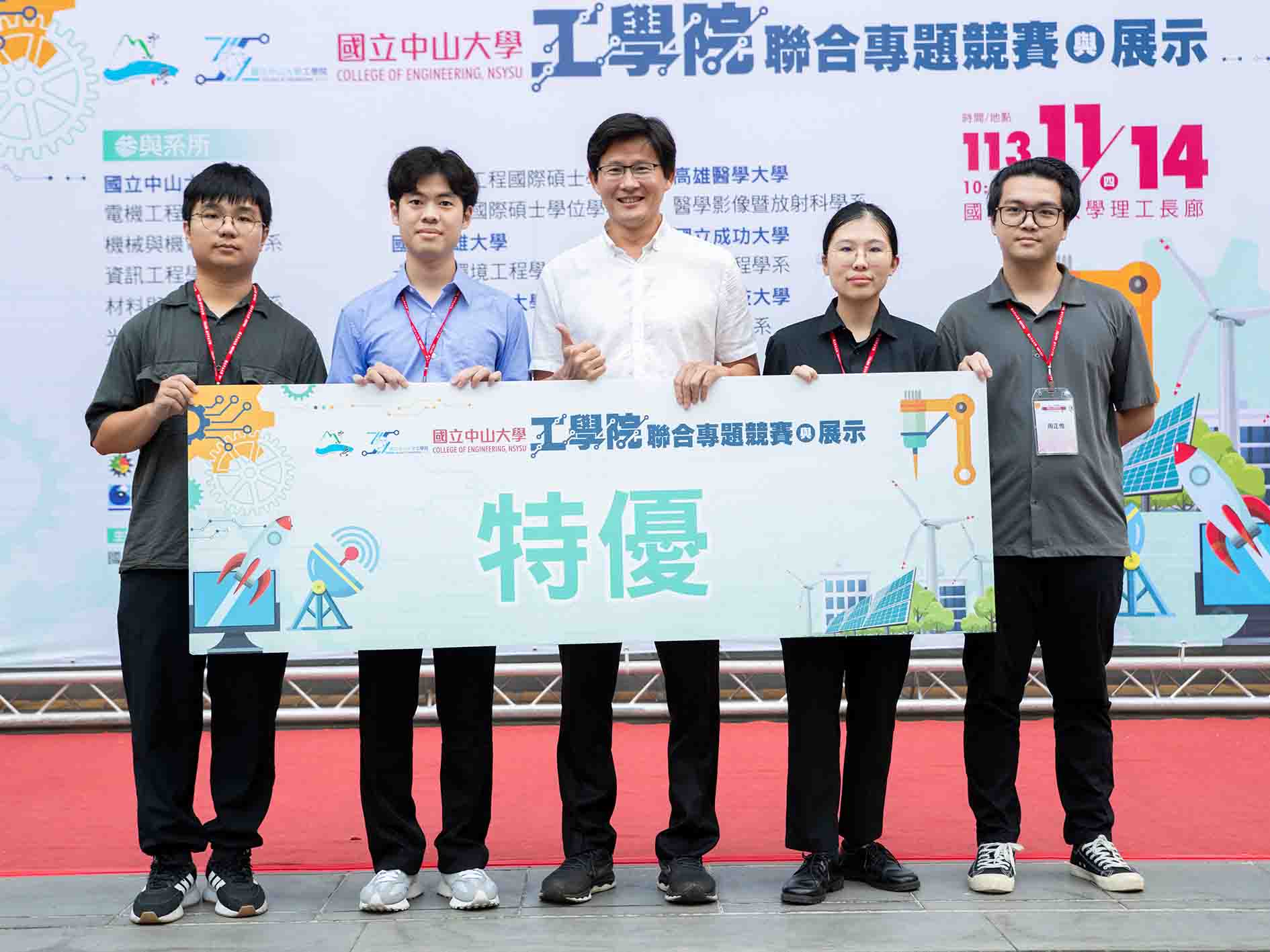
By integrating PluSDR Lite into his curriculum and research, Professor Wen has significantly shortened development cycles and increased students’ hands-on learning. In one project, they implemented AI algorithms to create a smart receiver that achieved higher performance and won first place in an engineering competition. Looking ahead, his lab is extending its research to intelligent wireless systems that integrate communication and sensing, continuing to push the frontier of innovation with YTTEK PluSDR Lite.