
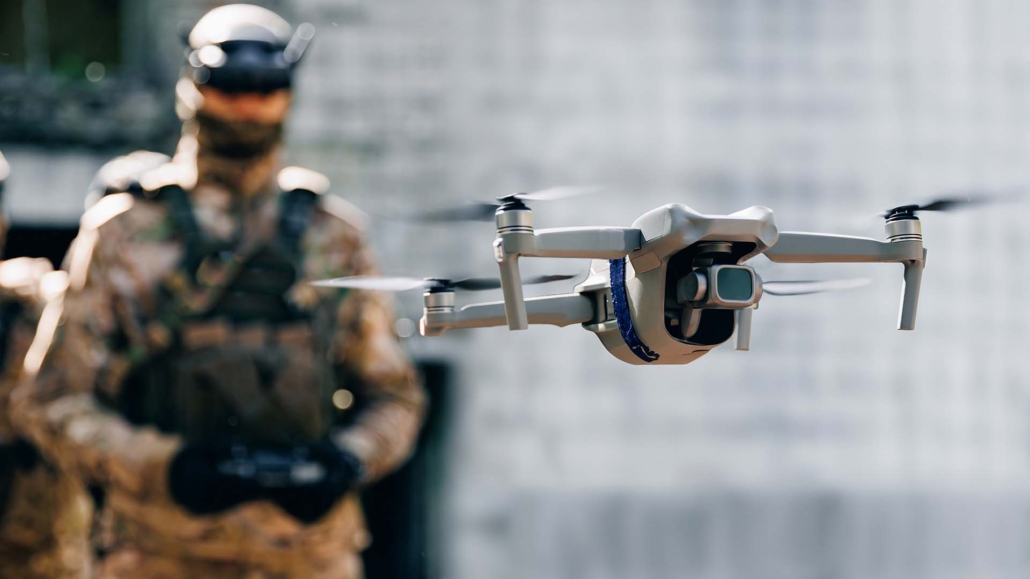
How software-defined radio (SDR) powers the next generation of drone communication payloads
As drone applications continue to expand across defense, industrial, and commercial sectors, the need for a flexible and reliable drone communication payload has never been greater. Traditional hardware-based drone communication payloads often struggle to keep up with evolving application requirements. By contrast, Software-Defined Radio (SDR) technology — often referred to as drone SDR — enables a reconfigurable, cost-effective solution and future-proof communication solution.
SDR-based drone payloads allow seamless frequency switching, anti-jamming performance, and protocol reconfiguration through software — empowering UAVs to perform securely and efficiently in any environment.
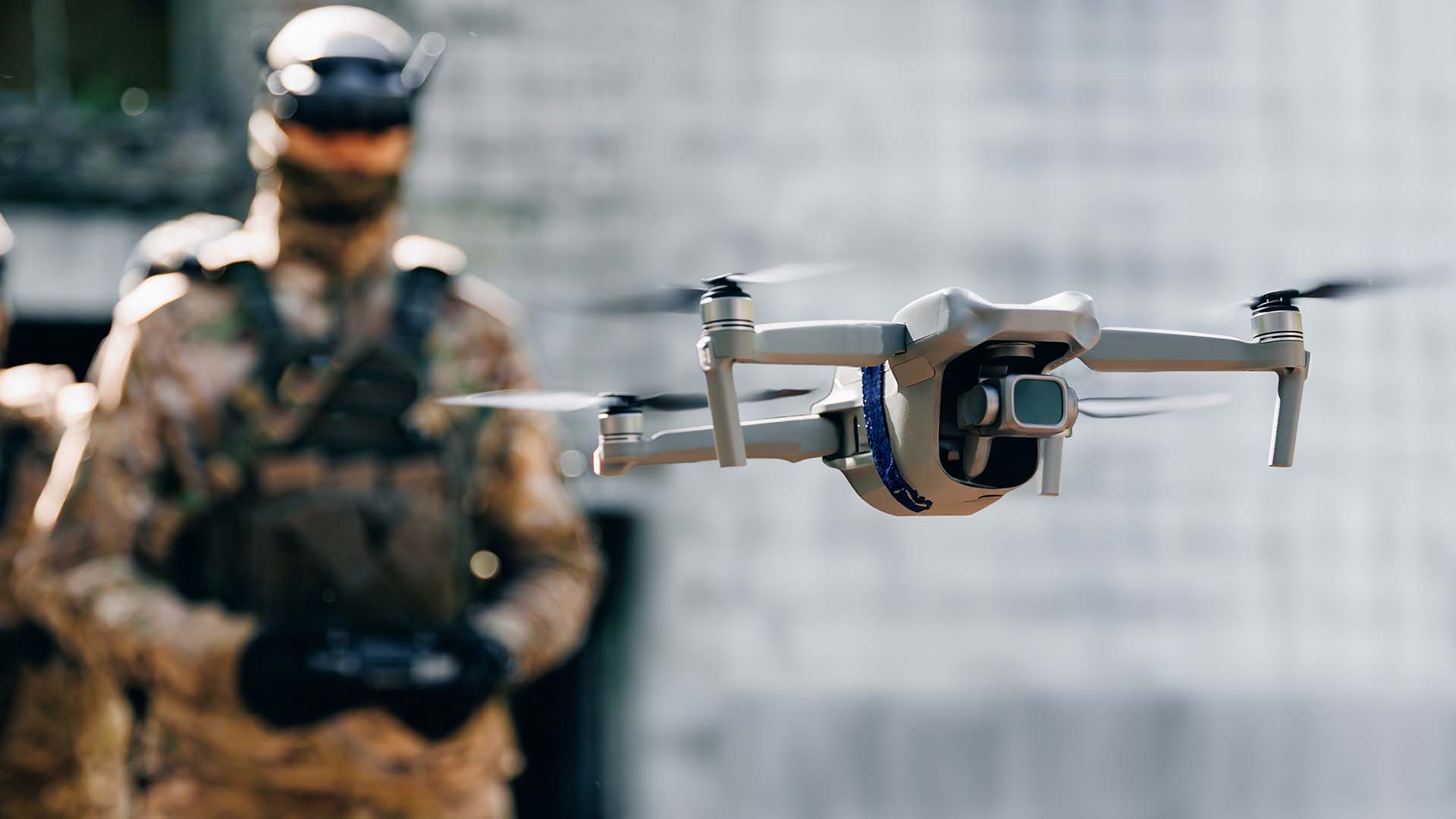
What is SDR and why it matters for drone communication payloads?
Software-Defined Radio (SDR) replaces fixed hardware circuits with programmable software logic. Functions such as modulation, demodulation, filtering, and frequency selection are implemented through software running on FPGA-based architectures, instead of custom ICs. Unlike conventional radios limited to a single waveform or frequency band, SDRs can dynamically reconfigure themselves — switching across frequencies, waveforms, and communication standards.
Think of traditional radios as pianos producing fixed tones, while SDRs are like electronic keyboards capable of generating multiple instrument sounds. This flexibility allows one SDR-based communication payload to serve multiple drone models, frequency bands, and mission types — all through software updates rather than hardware changes.
How SDR solves key drone communication challenges?
- Tunable frequency: SDR drone communication payloads feature tunable frequency ranges, allowing operators to reprogram them to change frequencies and adapt to different mission environments or regional spectrum regulations.
- Reconfigurable communication protocols: SDR drone communication payloads can modify or switch communication protocols through software, allowing it to adapt to different mission requirements or integrate with various ground systems without hardware changes.
- Mitigating congestion and interference: Commercial drones often rely on crowded 2.4 GHz and 5.8 GHz ISM bands, where interference from consumer electronics is common. The flexibility of SDR drone communication payloads enables drones to automatically switch to less congested frequency bands, maintaining stable, packet-loss-free connectivity. In tactical military drone operations, SDR drone communication payloads can employ adaptive waveforms, frequency switching, and high-speed frequency hopping to mitigate jamming.
- Secure and upgradable encryption: Traditional hardware-based drone communication payloads rely on fixed encryption chips or ASICs, which limit the ability to update or modify security algorithms once deployed. In contrast, SDR drone communication payloads implement encryption in software, allowing operators to easily update or replace algorithms without hardware redesign.
- Future-proof drone communication with SDR architecture: A software-centric SDR drone communication payload can adjust system configurations through software, eliminating the need for costly and time-consuming hardware modifications. This allows operators to reconfigure communication parameters, add new features, or optimize communication performance through software updates.
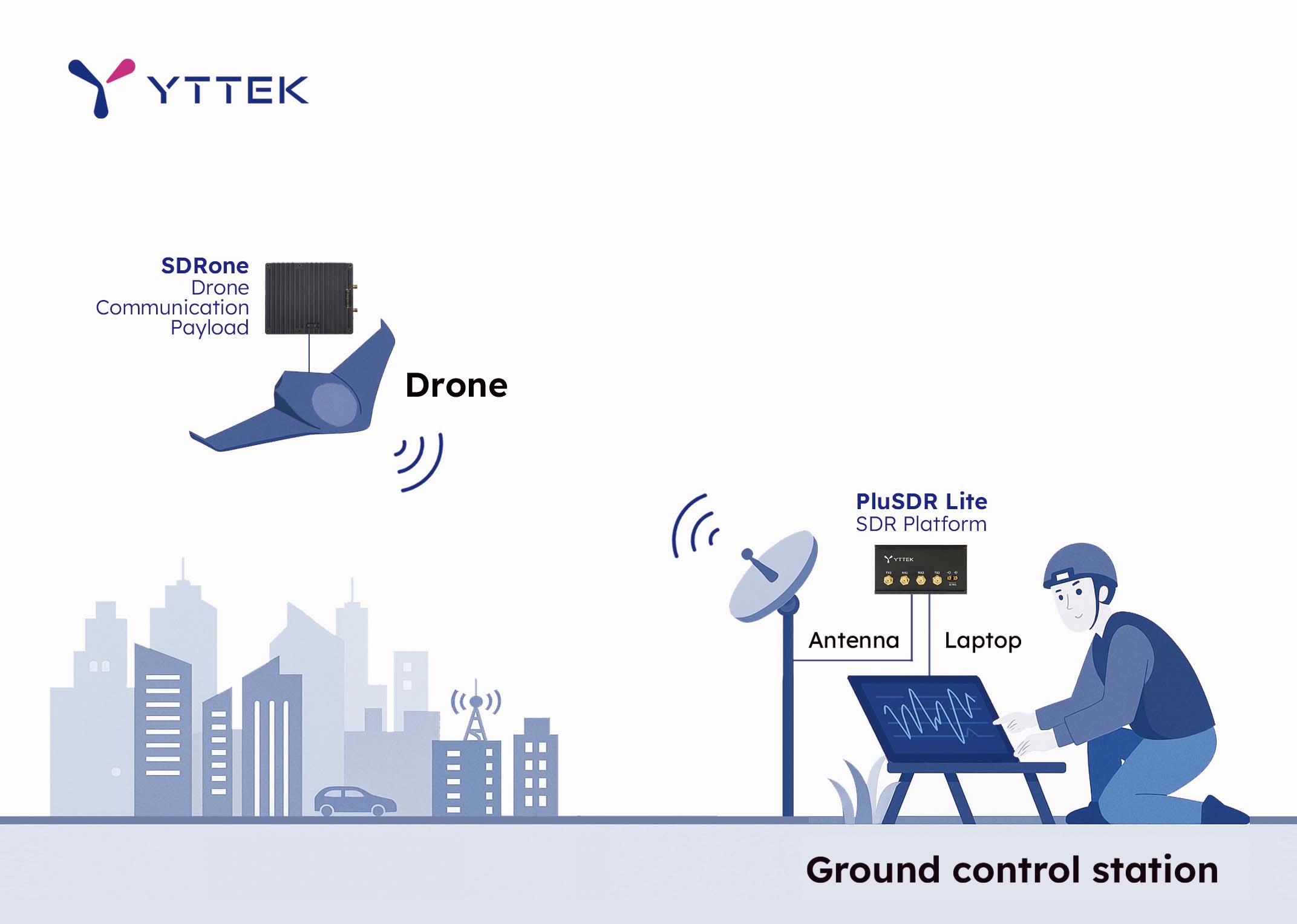
- Accelerated drone system integration and testing: Beyond serving as a drone communication payload, SDR also plays a critical role in development and testing. For instance, YTTEK’s PluSDR Lite SDR platform enables efficient drone system integration (SI) through both offline simulation and field-trial validation.It functions as a Vector Signal Generator (VSG) and Vector Signal Analyzer (VSA) for pre-deployment validation, allowing engineers to simulate, generate, and analyze complex RF waveforms.
During field trials, PluSDR Lite can perform real-world spectrum monitoring, signal capture, and Error Vector Magnitude (EVM) measurements — providing end-to-end visibility from lab verification to in-flight performance evaluation.
- Cost-efficient: Developing custom communication ICs for drone communication payloads is costly due to low production volumes and high NRE (non-recurring engineering) expenses. By leveraging FPGA-based SDR architectures, these payloads provide a flexible, software-reconfigurable alternative that reduces development costs and enables a single payload to be used across multiple drone platforms.
YTTEK SDRone: The advanced SDR drone communication payload
Designed for mission-critical military and industrial drones with diverse communication requirements, YTTEK’s SDRone is a SDR drone communication payload delivers advanced anti-jamming performance and exceptional adaptivity. By combining frequency-switching and high-speed frequency hopping within a flexible SDR architecture, SDRone becomes the ideal choice for high-demand drone missions that require secure, resilient, and adaptable communication.
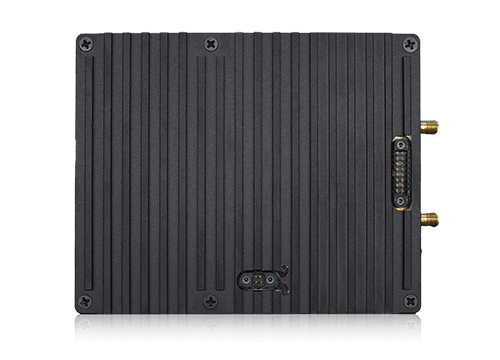
Why SDRone is the ideal choice for critical drone communication:
- Anti-jamming: As a premier anti-jamming drone payload, it utilizes frequency switching from 300 MHz to 6 GHz and high-speed hopping at over 2,000 hops per second to ensure stable links even in electronic warfare environments.
- C4ISR-ready: Enables multi-drone coordination, edge computing, and point-to-multipoint (P2MP) communication.
- SWaP-C optimized design: A SWaP-C (Size, Weight, Power, and Cost) optimized drone payload engineered to be compact, lightweight, and power-efficient for seamless drone integration.
- P2MP: Enables a single ground station to control multiple drones simultaneously, enhancing mission coordination efficiency and operational flexibility.
- High data throughput: 32 Mbps throughput enables real-time 4K video streaming and data-intensive autonomous operations.
The adaptive nature of SDRone’s flexible SDR architecture also ensures high reconfigurability to meet evolving communication needs — from industrial applications to military operations.
Ready to elevate your mission resilience? Discover how YTTEK’s SDRone Drone Communication Payload can secure your critical operations. Contact our experts today for detailed specifications and a customized solution.
Lear more about SDRone Drone Communication Paylpoad >
Lear more about PluSDR Lite SDR Platform >